Relocating to the United Arab Emirates comes with many perks—tax-free salaries, world-class infrastructure, and year-round sunshine. But none of that matters if you fall sick without proper cover. Expat Health Insurance in the UAE is more than a box-ticking exercise; it is a legal requirement under every emirate’s health insurance law and your only defence against hospital bills that can exceed AED 30,000 for a single overnight stay.
This guide explains why expat health insurance is mandatory, how the system works, the benefits you should look for, and how platforms like InsuranceHub.ae help you compare and buy the right policy.
Why Expat Health Insurance is Mandatory in the UAE
Health insurance is not just essential—it is legally required in Dubai, Abu Dhabi, and, from 2025, across all emirates.
Employers or sponsors must provide coverage to foreign workers and their dependants.
If you are self-employed, between jobs, or your employer does not cover dependants, you must purchase your own plan.
Penalties for non-compliance: fines of AED 400 per month, visa renewal delays, or even deportation.
Public vs. Private Healthcare in the UAE
- Public hospitals offer subsidised rates but generally prioritise UAE nationals.
- Private hospitals like Cleveland Clinic, Mediclinic, and NMC provide faster service, English-speaking staff, and premium facilities—but charge full tariffs without insurance.
- With valid Expat Health Insurance, insurers directly settle bills with private hospitals so you can focus on recovery.
Types of Health Insurance Plans for Expats
- Basic Health Insurance:
- Basic Health Insurance:
Typically provided by employers, this plan covers essential health benefits such as GP visits, emergency treatments, and maternity care. Suitable for low-income earners but may not cover specialized treatments or high-end hospitals.
- Comprehensive Health Insurance (Enhanced):
- Comprehensive Health Insurance (Enhanced):
- Offers wider coverage including specialist consultations, surgeries, dental care, and mental health services.
- Ideal for expats seeking extensive medical protection and international coverage.
- Family Health Insurance: Protecting Your Loved Ones
- Family Health Insurance: Protecting Your Loved Ones
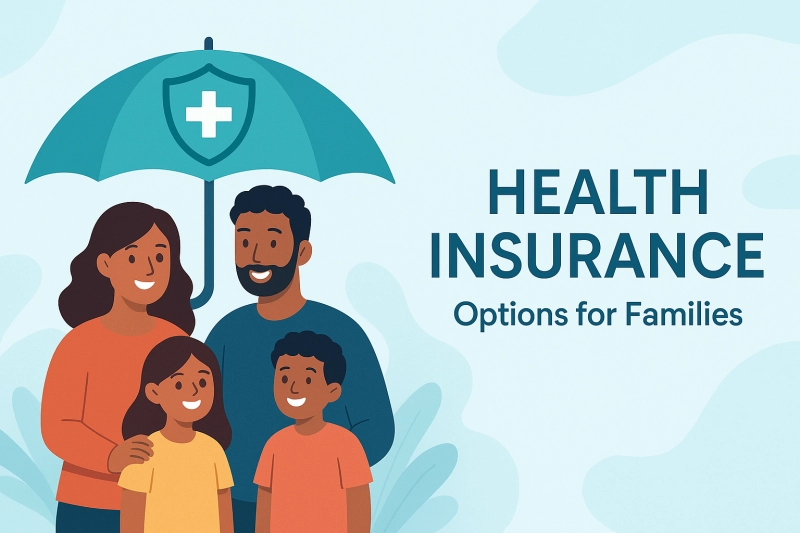
Family health insurance is vital for ensuring that your spouse and children receive the medical care they need. While employers are not required to cover family members, purchasing a family plan can provide peace of mind and financial security. Comprehensive family plans often include:
- Maternity Care: Essential for expecting mothers, covering prenatal care, delivery, and postnatal services.
- Pediatric Care: Includes vaccinations, routine check-ups, and emergency treatments for children.
- International Coverage: Useful for families who travel frequently or plan to return home for treatment.
In the UAE, health insurance is not just a necessity; it's a legal requirement. As an expat, securing comprehensive health insurance for yourself and your family ensures access to quality healthcare while avoiding potential legal and financial issues. By leveraging resources like InsuranceHub.ae, you can find the perfect balance of coverage and affordability, safeguarding your health and well-being in the UAE.
Core benefits every expat policy must include
| Benefit | Minimum standard in most emirates | What to aim for |
|---|---|---|
| Annual limit | AED 150,000 (Essential Plan) | AED 500,000–1 million |
| Inpatient cover | Surgery, ICU, room & board | Private room upgrade |
| Outpatient | GP + specialist fees | Physiotherapy & mental health |
| Emergency | UAE-wide, 100 % paid | Global emergency add-on |
| Maternity | Up to AED 10,000 normal delivery | AED 20,000–25,000 + newborn care |
Policies that exceed the basics cost more, yet save huge sums if you need advanced treatment such as cardiac surgery or cancer care.
Factors that affect premiums
- Age and pre-existing conditions (older expats pay up to 40 % more).
- Coverage area (UAE-only plans are cheaper than GCC or worldwide options).
- Network tier (premium hospital networks add roughly AED 1,000 a year).
- Payment mode (annual lump sum can shave 5 % off instalment pricing).
Three-step purchase process on insurancehub.ae
- Complete the online form and compare instant quotes from 50+ Central Bank-approved insurers.
- Chat with a licensed advisor to fine-tune benefits—dental, optical, overseas treatment.
- Upload your passport, visa, and Emirates ID; e-policy is issued within hours, ready for visa stamping.
For a deeper dive, read the complete coverage guide.
Conclusion
In the UAE, health insurance is not only a necessity but a legal obligation. For expats, choosing the right plan ensures access to world-class healthcare, compliance with visa laws, and financial peace of mind. Whether you need basic coverage or a comprehensive family plan, InsuranceHub.ae helps you compare providers, customise benefits, and secure affordable protection in minutes.